Understanding Cable TV Alternatives in 2026
As the world shifts towards digital media consumption, traditional cable TV is steadily losing its appeal. With monthly bills hitting exorbitant amounts and equipment rental fees stacking up, it's no wonder viewers are seeking out alternatives. In 2026, the landscape of television entertainment has transformed, offering a myriad of options that cater to diverse viewing preferences. When exploring options, Cable TV alternatives range from streaming services to innovative technologies like IPTV, which is proving to be a game changer in the industry.
What Are Cable TV Alternatives?
Cable TV alternatives refer to various options that provide television content without the need for traditional cable subscriptions. As audiences become more aware of the drawbacks of cable service—such as high costs and limited viewing flexibility—many are turning to options that offer greater adaptability and value. Some of the most popular cable alternatives include:
- IPTV Services: Internet Protocol Television (IPTV) streams live TV and on-demand content through internet connections.
- Streaming Services: Platforms like Netflix, Hulu, and Disney+ offer on-demand content, although often without live TV.
- Skinny Bundles: Services like YouTube TV and Sling TV provide a selection of live channels for monthly fees.
- Over-the-Air Antennas: These allow viewers to access local broadcast channels without a subscription.
- Ad-Supported Streaming: Services such as Tubi and Pluto TV offer free content, albeit with advertisements.
The Rise of IPTV: A Gamechanger
IPTV stands out as a revolutionary alternative to cable TV in 2026. Unlike traditional cable, which relies on physical infrastructure, IPTV transmits video content over the internet. This technology has gained traction due to its ability to provide extensive channel lineups and on-demand content, all at a significantly lower price point.
One of the most compelling IPTV services available today is Livetvfortv. It boasts over 15,000 live channels and more than 100,000 on-demand titles, offering a rich library of options that suits almost any viewer's preferences. The flexibility of IPTV means you can watch your favorite shows and live events on multiple devices, eliminating the need for cumbersome cable boxes and long-term contracts.
IPTV: The Leading Choice for Entertainment
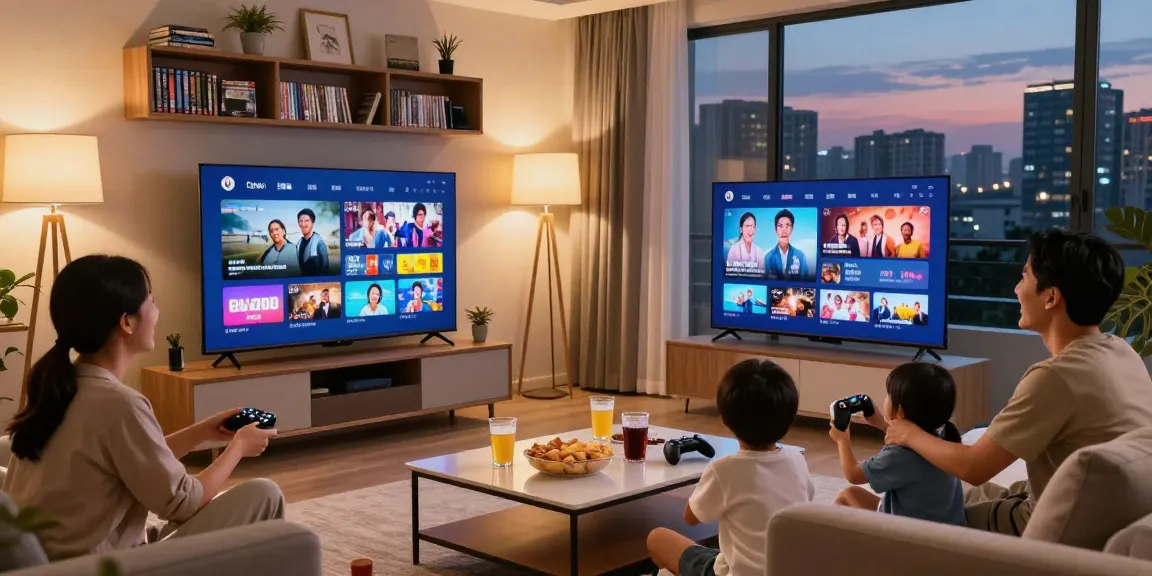
Benefits of Choosing IPTV for Families
For families, IPTV has numerous advantages. Primarily, the affordability of services like Livetvfortv makes it easier for households to manage their entertainment budgets. With plans starting as low as $5.83 per month, families can access an extensive channel selection, including major networks, sports channels, and a rich library of movies and shows.
Moreover, the flexibility of IPTV allows for multiple devices to stream content simultaneously. This is especially beneficial in larger households where different family members may want to watch different shows at the same time. With no contracts to bind you, families can easily adapt their viewing options based on varying interests or changing circumstances.
Cost Comparison: IPTV vs. Traditional Cable
When comparing costs, IPTV proves to be a far more economical option than traditional cable TV. The average cable bill in the United States hovers around $150 per month, which often includes hidden fees and charges. In contrast, IPTV services such as Livetvfortv provide immense savings without sacrificing quality or content variety. Below is a breakdown of typical costs:
- Traditional Cable: $120 - $180/month for 200-300 channels with contracts lasting 1-2 years.
- YouTube TV: $73/month for 50-100 channels, but still pricey.
- IPTV with Livetvfortv: Starting from just $5.83/month for 15,000+ channels and zero contracts.
This significant price difference illustrates why IPTV has become the preferred choice for many families in 2026.
How IPTV Delivers More Content
Content variety is another area where IPTV shines. While streaming apps focus primarily on on-demand content, IPTV combines live TV and on-demand viewing in one service. The breadth of channels provided by services like Livetvfortv, which covers every major sports league and offers an extensive collection of movies and series, means customers can find everything they want in one subscription. This convenience is unparalleled when compared to the fragmented offerings of traditional cable or streaming services.
Exploring Other Cable TV Alternatives
Skinny Bundles: Are They Worth It?
Skinny bundles like YouTube TV, Hulu Live, and Sling TV have emerged as alternatives to conventional cable packages, and while they do provide some attractive options, they are still typically more expensive than IPTV. With monthly fees ranging from $70 to $80, these services offer limited channel lineups (50-100 channels), which can fall short of what many viewers need.
Furthermore, if customers sign up for multiple skinny bundles to encompass their desired programming, they may end up spending as much as they would on a traditional cable plan. This is precisely why many users find themselves drawn back to the more expansive offerings of IPTV.
Streaming Apps: Fragmentation vs. Convenience
Streaming apps like Netflix, Amazon Prime Video, and Disney+ have gained a massive following over the years, yet they often fall short when it comes to delivering a comprehensive viewing experience. While these platforms provide excellent on-demand programming, they typically do not offer live TV broadcasts, forcing viewers to juggle multiple subscriptions to catch everything they want. This fragmentation leads to confusion and dissatisfaction among users who expect simplicity.
Over-the-Air Antennas: A Supplement to IPTV?
Over-the-air (OTA) antennas represent a low-cost solution for accessing local channels. Priced affordably between $20 to $50, consumers can receive high-definition signals for major networks like ABC, CBS, NBC, and FOX without incurring monthly fees. While OTA antennas are a valuable addition to an IPTV setup, they do have limitations. Specifically, they only provide access to local broadcast channels and lack the breadth of content available through IPTV services.
The Future of IPTV and Streaming Services
Emerging Trends in Digital Streaming
The future of television entertainment in 2026 and beyond is being shaped by emerging trends that signal a shift towards greater personalization and interactivity. Viewers increasingly expect tailored content recommendations based on their viewing habits, and services that can deliver this will see greater customer retention. Additionally, the integration of live sports with other content types is becoming a priority, allowing viewers to enjoy their favorite events seamlessly blended into their on-demand content.
Technological Advances Enhancing IPTV
Advancements in technology are also paving the way for improved IPTV services. With higher internet speeds and more reliable connections, the quality of streaming has significantly increased. Expect to see more 4K and even 8K content becoming standard fare in the coming years. Furthermore, user experience is likely to be enhanced through features such as voice search and AI-driven recommendations, creating a more intuitive way for viewers to discover content.
What to Expect in 2026 and Beyond
As we move further into 2026, viewers can anticipate a myriad of options that will cater to their unique preferences. IPTV will continue to dominate as a cable alternative, thanks to its flexibility, affordability, and wide-ranging content. Coupled with the ongoing improvements in technology, the viewing experience will only become more enriching and engaging.
FAQs About Cable TV Alternatives
What is the best cable alternative in 2026?
The best cable alternative in 2026 is undoubtedly IPTV, with services like Livetvfortv leading the charge in delivering a superior viewing experience with unlimited channel access and on-demand options.
How much can I save by switching to IPTV?
Switching from traditional cable to IPTV can save consumers over $1,700 a year, considering the average cable bill is around $150 per month, compared to Livetvfortv’s plans starting at just $5.83 per month.
Do cable alternatives include live sports?
Most cable alternatives do not provide comprehensive live sports coverage. However, IPTV services like Livetvfortv include every major sports network in one subscription, meaning users won't miss out on their favorite teams.
Is a fast internet connection necessary for IPTV?
For optimal IPTV streaming, a fast internet connection is recommended. Typically, 25 Mbps is sufficient for HD streaming, while 50 Mbps is ideal for 4K content. Most households in the U.S. have internet connections that easily meet these requirements.
Can I cancel IPTV anytime without penalties?
Yes, one of the advantages of IPTV services is the absence of long-term contracts. Subscribers can choose to cancel their plans at any time without incurring penalties.