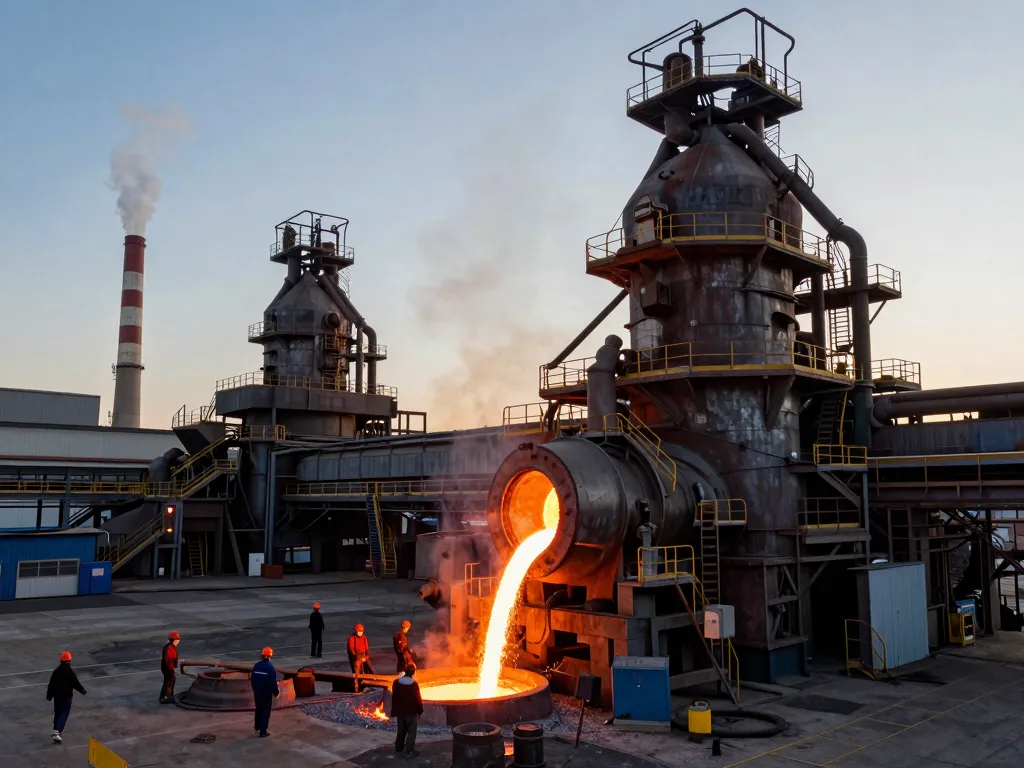
Understanding Piping Stress Analysis
Piping stress analysis is a critical component of engineering that ensures the safety and functionality of piping systems in various industrial applications. As industries across North America, including Canada and the USA, continue to expand and modernize, the demand for expert Piping Stress Analysis Canada services becomes increasingly vital. This process involves evaluating the mechanical behavior of piping systems under different conditions, ensuring that they can withstand various stressors without failure.
What is Piping Stress Analysis?
Piping stress analysis involves the calculation and evaluation of the stresses and strains in piping systems that occur due to thermal expansion, mechanical loads, pressure, and other environmental factors. The primary goal of this analysis is to identify stress points within piping systems and mitigate potential risks that could lead to structural failures, leaks, or hazardous conditions.
Importance of Piping Stress Analysis in Engineering
The significance of piping stress analysis cannot be overstated. It directly impacts the safety, reliability, and efficiency of piping systems across various sectors, including oil and gas, chemical manufacturing, and energy production. By analyzing stress points, engineers can design systems that not only meet regulatory compliance but also enhance operational performance and extend the lifecycle of the piping infrastructure.
Key Factors in Piping Stress Analysis
- Thermal Expansion: Understanding how temperature variations affect piping materials is fundamental in assessing stress.
- Pressure Loads: Evaluating internal and external pressure loads helps in designing safe and durable systems.
- Material Properties: Different materials react differently under stress; knowing these properties is crucial.
- Environmental Conditions: External factors such as wind, seismic activity, and soil movement must be considered.
Common Challenges in Piping Stress Analysis
Despite its importance, piping stress analysis presents several challenges that engineers must navigate. Understanding these challenges is essential for effective engineering solutions.
Identifying Critical Stress Points
A significant challenge in piping stress analysis is accurately identifying critical stress points within a piping system. These points, if not addressed, can lead to failures under operational stresses. Engineers employ various tools and simulations to pinpoint these areas early in the design process.
Addressing Thermal Expansion and Contraction Issues
Thermal expansion and contraction can cause significant stress in piping systems. Engineers must design supports and flexible connections to accommodate these changes, which can otherwise lead to damage or complete system failure.
Managing External Loads and Environmental Factors
Piping systems are subjected to various external loads, including seismic forces, wind loads, and even snow accumulation. Effective piping stress analysis must consider these external factors to ensure the integrity of the system under all possible conditions.
Best Practices for Effective Piping Stress Analysis
Implementing best practices in piping stress analysis can improve the overall effectiveness and reliability of the systems designed.
Utilizing Advanced Software Tools
Advanced software tools such as CAESAR II and AutoPIPE provide engineers with essential capabilities to simulate and analyze stresses within piping systems. These programs help in visualizing stress distributions, which aids in making informed decisions in the design process.
Implementing Code Compliance Standards
Adhering to industry standards, such as ASME B31.3 for process piping, ensures that the design and analysis meet safety and reliability requirements. Compliance with these codes is not only critical for safety but also minimizes legal risks associated with piping failures.
Conducting Regular Inspections and Assessments
Regular inspections of piping systems help identify potential issues before they escalate. Periodic stress analysis and maintenance checks can prolong the life of the piping systems, reducing downtime and ensuring long-term operational efficiency.
Real-World Applications of Piping Stress Analysis
Piping stress analysis plays a crucial role in the engineering designs of various applications, with real-world implementations demonstrating its importance.
Case Study: Successful Stress Analysis in Industrial Plants
In an industrial plant dealing with high-pressure systems, a thorough piping stress analysis was conducted to evaluate the system's ability to withstand extreme conditions. By identifying critical stress points and redesigning support structures, the plant improved its operational efficiency and significantly reduced the risk of potential failures.
Application in Pipeline Design and Rehabilitation
Piping stress analysis is indispensable in the design and rehabilitation of pipelines. For existing pipelines, stress analysis helps in assessing structural integrity and planning necessary upgrades, ensuring compliance with modern standards.
Impact on Safety and Efficiency in Engineering Projects
Effective piping stress analysis not only enhances safety but also improves overall efficiency in engineering projects. By preemptively addressing potential failures, organizations can save costs associated with repairs and losses due to downtime.
Future Trends in Piping Stress Analysis
The field of piping stress analysis is evolving, with emerging technologies and methodologies shaping its future.
Emerging Technologies and Methodologies
Technological advancements, such as machine learning and artificial intelligence, are beginning to influence how piping stress analysis is performed. These technologies can predict stress points and automate analyses, increasing efficiency and accuracy.
Predictions for Piping Stress Analysis by 2026
By 2026, we can expect further integration of data analytics into piping stress analysis, allowing for more precise simulations and predictive maintenance tools that will enhance the longevity and reliability of piping systems.
Expert Insights on Advancements in the Field
Industry experts predict that as regulations tighten and industries evolve, the need for sophisticated piping stress analysis will grow. Companies that leverage the latest analytical tools and methods will likely maintain a competitive advantage in the market.
What is the role of Discrete Element Modeling in Piping Stress Analysis?
Discrete Element Modeling (DEM) plays a vital role in analyzing the behavior of granular materials in piping systems. By simulating particle interactions, DEM helps engineers optimize designs for bulk material handling and enhance flow characteristics in piping systems.
How often should piping systems undergo stress analysis?
Piping systems should undergo stress analysis at key phases: during the design stage, after any significant modifications, and regularly during operation, especially in aging systems. This proactive approach ensures safety and compliance throughout the lifecycle of the system.
What are the consequences of neglecting stress analysis?
Neglecting stress analysis can lead to catastrophic failures, resulting in costly repairs, environmental damage, and potential loss of life. Regular stress analysis is essential for ensuring that systems operate safely and effectively.
Can piping stress analysis software integrate with other engineering tools?
Yes, modern piping stress analysis software often integrates with other engineering tools, such as 3D modeling and project management software. This interoperability enhances collaboration and improves overall project efficiency.
What certifications should a piping stress analyst have?
A qualified piping stress analyst should hold relevant engineering degrees and certifications, such as a Professional Engineer (PE) license or equivalent. Additional training in piping design codes and software tools is also beneficial.